
An artist name begins as a word somebody types into a flyer. Then it becomes search history, merchandise, contracts, playlists, ticket sales, press, metadata and memory. By the time everybody notices it is an asset, changing it can feel like moving a house with the foundation attached.
A name becomes an address
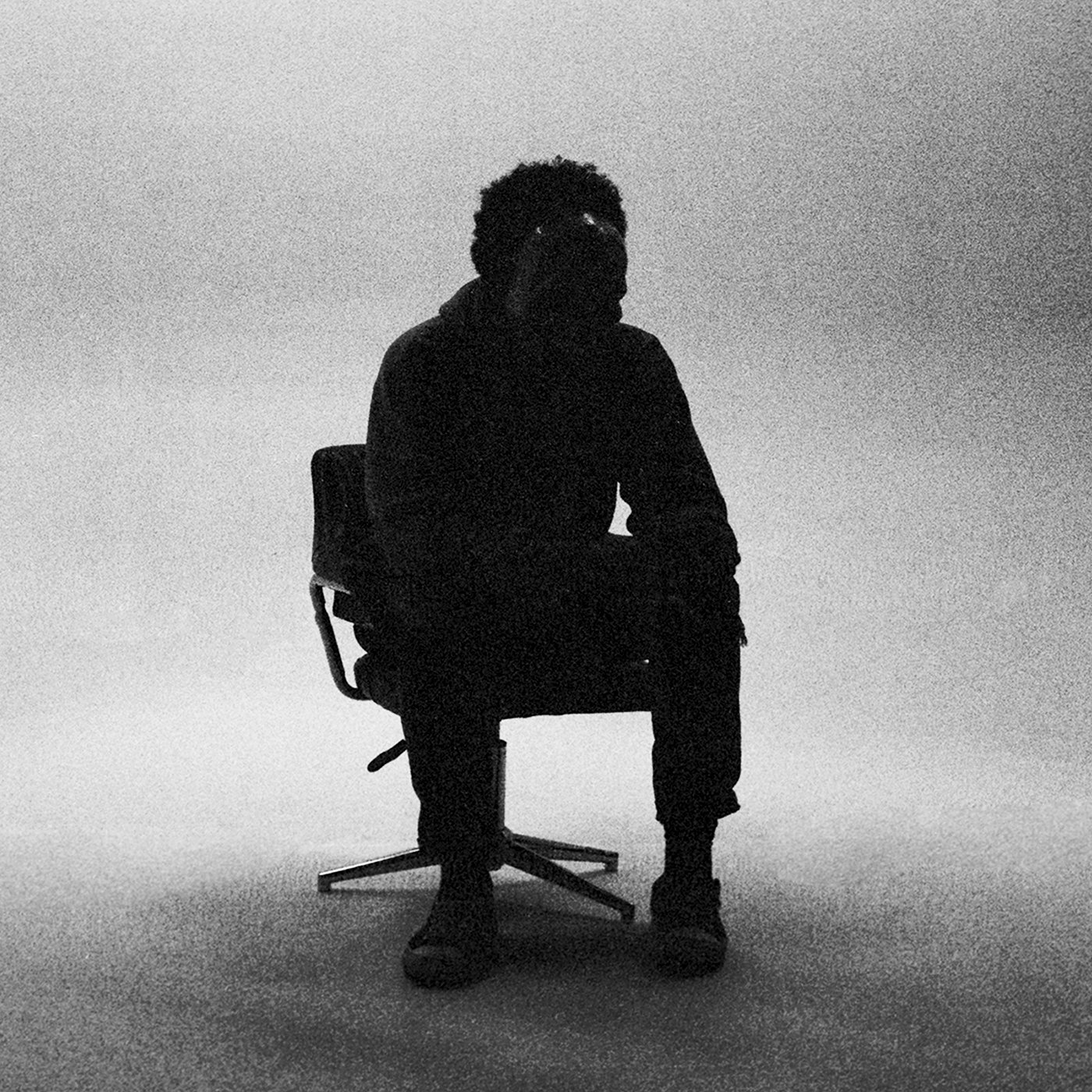
Oakland rapper-producer ovrkast. released STRIKING in October while a trademark dispute with Outkast’s holding company had become public. According to the lawsuit reported by Pitchfork, the plaintiffs allege trademark infringement, unfair competition and breach of contract and say the names are confusingly similar. Those are allegations in active litigation, not conclusions G.U.M.M. is in a position to make. The useful independent-artist lesson exists without deciding who should win. An artist name can accumulate real economic and cultural value long before anyone treats it like intellectual-property infrastructure. Fans search it. Platforms attach histories to it. Promoters print it. Designers turn it into logos. Distributors connect releases. Search engines learn the association. A name becomes an address.
PULL QUOTE: An artist name starts as a word and quietly becomes an address.
The music does not stop while the lawyers talk
The risk with a business story like this is allowing the dispute to swallow the record. STRIKING deserves its own room. The album extends ovrkast.’s producer-rapper language with a broader instrumental and collaborative palette; his Bandcamp presence also shows a catalog stretching back years before this public conflict. That contrast is the story. The art is moving while the business identity around the art is under pressure. For an independent artist, that can be particularly costly because a rebrand is not only a graphic-design exercise. It can affect search, social handles, URLs, merchandise, distributor metadata, press archives, existing fan memory and the continuity of the catalog. Changing one word can mean changing hundreds of little paths by which people find you.
Before the first thousand followers
No checklist guarantees that a name will never create conflict, and trademark law is jurisdiction-specific. Artists should get qualified legal advice for actual disputes. But some basic habits can reduce avoidable chaos. Search widely. Search the artist name across DSPs, social platforms, search engines, trademark databases, ticketing services and merchandise—not only Instagram. Secure the obvious addresses. Domain, primary social handles and the name on major music platforms matter. Document agreements. If a group, producer collective or management relationship shares ownership or control of a name, put the understanding in writing. Think about pronunciation and spelling. A clever stylization can still be confusing when spoken aloud or stripped of punctuation by a platform. Plan continuity before a rebrand. If a change becomes necessary, map the old catalog, profile redirects, artist IDs, credits, press references and audience communication before flipping the sign.
Identity has maintenance costs
Hip-hop understands names as transformation. A name can be armor, joke, mythology, neighborhood marker or a new self you grow into. The business layer does not make that tradition less meaningful. It makes protecting the meaning more important. The independent era gives artists unprecedented ability to launch quickly. That speed can hide future costs. A name chosen tonight can become a seven-year database problem. Choose with imagination. Then do the paperwork.

 Los Angeles | Redlands | Phoenix | Memphis | NYC
Follow us: @GemworkTV | Contact: info@gemwork.tv
