
A song can go viral while the artist watches from the wrong side of the payout screen. The modern independent catalog needs more than distribution. It needs security habits.
Virality with the wrong owner
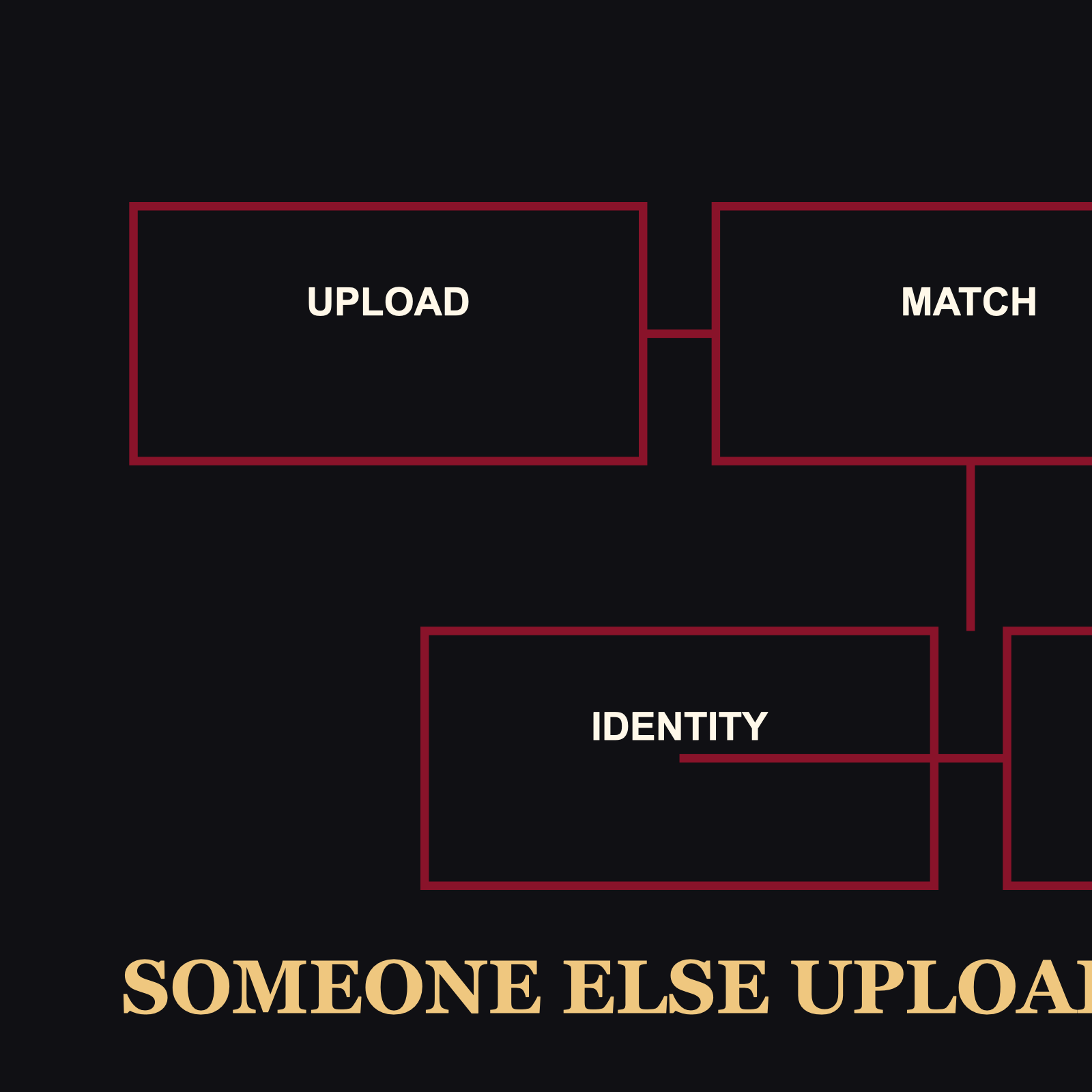
In October, Liz Harris—the musician behind Grouper—described discovering that a fraudulent upload of her 2008 song “Poison Tree” had accumulated tens of millions of streams while someone else collected the money. Harris and her label ultimately recovered the royalties, but the case is disturbing precisely because it was not a theoretical cybersecurity scenario. A real recording, by a real artist, had developed a new audience while the economic identity attached to it was wrong. That is a nightmare version of discovery. Independent artists are often told that the hard part is getting heard. But digital distribution created a second problem: a recording can circulate widely while metadata, ownership or uploader identity are incorrect enough to divert attention and revenue.
PULL QUOTE: A song can go viral while the money walks in the opposite direction.
Metadata is part of the security system
Artists tend to think of metadata as paperwork that happens after the creative work is finished. That is increasingly dangerous. Keep a clean record of the final master, release date, ISRC, UPC, distributor, songwriters, producers, publisher information, splits, artwork and the email/account through which the release was delivered. Save invoices and distributor confirmations. Store more than one copy. Those records do not magically stop fraud, but they help establish a paper trail quickly when something looks wrong. The other habit is monitoring. Search your artist name and important song titles periodically across the major platforms. Look for duplicate artist profiles, alternate spellings, strange remixes, unexplained compilations and tracks you did not authorize. Catalog administration has become a form of revenue protection.
If your music appears without permission
1. Document before you argue. Save URLs, screenshots, profile names, dates and any visible credits. 2. Check your own distribution chain. Confirm that a collaborator, old distributor, label, administrator or licensing partner did not create the version legitimately. 3. Gather ownership evidence. Master files, dated sessions, distribution records, contracts, registrations and metadata can help demonstrate the legitimate chain. 4. Use the platform’s formal process. Spotify provides a route specifically for music uploaded without permission and a broader intellectual-property process. Apple has an infringement form for iTunes and Apple Music. YouTube allows copyright owners or authorized representatives to submit removal requests through Studio or its legal process. 5. Notify the distributor or label. A takedown is only one part of the problem. Revenue accounting, duplicate profiles and future re-uploads may require follow-through. 6. Get professional advice when the stakes are large. A platform form is not a substitute for legal counsel when ownership is disputed or substantial money is involved. This is practical information, not legal advice.
Protect the boring things
The most frustrating lesson is how unglamorous catalog protection looks. Folder names. Registration numbers. Spreadsheets. Password hygiene. Contracts. Backups. Screenshots. But independent ownership means owning the boring responsibilities too. Thanksgiving gives us a useful way to think about it: if a song is something you hope to pass forward—to family, collaborators, an estate or simply the next listener—then somebody needs to know where the real version lives and who has the right to move it. The archive is not secure because the song is famous. It is secure because the paperwork can find the music.

 Los Angeles | Redlands | Phoenix | Memphis | NYC
Follow us: @GemworkTV | Contact: info@gemwork.tv
